
How a Periodontist in Vancouver Can Help Protect Your Gum Health

Healthy gums are an important part of a healthy smile. They help support the teeth, protect the underlying bone, and play a key role in long-term oral health. When gum concerns are left untreated, they may gradually affect the tissues and bone that hold the teeth in place.
A periodontist is a dental specialist who focuses on the prevention, diagnosis, and treatment of gum disease and other conditions affecting the gums and supporting structures of the mouth. For patients looking for a periodontist in Vancouver, specialized periodontal care may help identify gum concerns early, manage inflammation, and support healthier gums over time.
At Downtown Perio Group, our team provides periodontal care for patients with a wide range of gum health needs, from early signs of gum disease to more advanced periodontal concerns.
What Does a Periodontist Treat?
A periodontist treats conditions that affect the gums, bone, and supporting tissues around the teeth. Patients may be referred by their general dentist, or they may contact a periodontal office directly if they are concerned about changes in their gum health.
Common reasons to see a periodontist may include:
- Swollen, red, or tender gums
- Bleeding when brushing or flossing
- Gum recession
- Persistent bad breath
- Loose or shifting teeth
- Bone loss around teeth
- Gum sensitivity or discomfort
- Concerns about dental implant health
- A recommendation for scaling and root planing or periodontal maintenance
Because gum disease can progress gradually, warning signs of gum disease are not always obvious in the early stages. A periodontal evaluation can help determine what is happening below the gumline and whether treatment may be needed.
Signs You May Need a Gum Specialist
A gum specialist can assess symptoms that may point to gum disease, gum recession, or changes in the tissues supporting the teeth.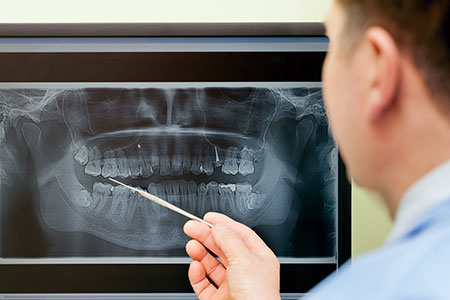
You may benefit from seeing a periodontist if you notice:
- Bleeding gums that continue over time
- Gums that look swollen, red, or inflamed
- Teeth that appear longer because of receding gums
- New spaces developing between teeth
- A change in how your teeth fit together when you bite
- Ongoing bad breath despite regular brushing and flossing
- Tenderness, discomfort, or sensitivity near the gumline
- A dentist has mentioned deep pockets, bone loss, or periodontal disease
Not every symptom means you have advanced gum disease, but it is worth having changes checked. Early assessment may help prevent more serious periodontal problems from developing.
How Gum Disease Can Affect Oral Health
Gum disease is often caused by plaque and bacteria that collect around the teeth and below the gumline. In its earlier stage, known as gingivitis, the gums may become irritated, swollen, or prone to bleeding. With professional care and improved home care, gingivitis may often be managed before it progresses.
If gum disease advances into periodontitis, the supporting tissue and bone around the teeth may begin to break down. Over time, this can contribute to gum recession, deeper pockets around the teeth, loose teeth, and potential tooth loss.
Periodontal care focuses on managing infection and inflammation, protecting the supporting structures of the teeth, and helping patients maintain healthier gums over the long term.
Periodontal Treatment Options in Vancouver
Treatment recommendations depend on the severity of gum disease, the patient’s oral health history, and the condition of the gums, bone, and teeth.
Common periodontal treatment options may include:
Scaling and Root Planing
Scaling and root planing is a non-surgical periodontal treatment sometimes referred to as a deep cleaning. It helps remove plaque and tartar from below the gumline and smooths the root surfaces so the gums can heal more effectively.
This treatment may be recommended when gum pockets have developed or when bacteria and buildup are contributing to inflammation below the gumline.
Periodontal Maintenance
After active gum disease treatment, periodontal maintenance may help reduce the risk of recurrence and support long-term gum health. These appointments are usually more specialized than a routine dental cleaning and may be recommended at intervals based on the patient’s individual needs.
Gum Grafting
Gum grafting may be recommended for some patients with gum recession. This procedure can help protect exposed tooth roots, improve gum coverage, and support the health and appearance of the gumline.
Guided Bone and Tissue Regeneration
In more advanced periodontal cases, bone or tissue regeneration procedures may be used to help rebuild or support areas affected by periodontal disease. Recommendations depend on each patient’s condition and treatment goals.
Dental Implant Support
Periodontists may also be involved in dental implant planning, placement, and maintenance. Healthy gums and adequate bone support are important for long-term implant stability and oral function.
Why Gum Health Matters
 Healthy gums do more than frame your smile. They help protect the structures that keep your teeth stable and functional.
Maintaining good gum health may help:
- Support long-term tooth stability
- Reduce inflammation around the gums
- Protect supporting bone structure
- Improve oral comfort
- Support better daily oral hygiene
- Lower the risk of periodontal disease progression
- Help protect dental implants and restorations
Gum health is also an ongoing process. Even after treatment, patients often benefit from regular periodontal maintenance and consistent at-home care.
When Should You Book a Periodontal Consultation?
You may want to book a periodontal consultation if you have symptoms of gum disease, have been told you have bone loss or deep gum pockets, or want a second opinion about your gum health.
A consultation may include an evaluation of your gums, teeth, bite, bone support, and dental history. From there, the periodontal team can explain your options and recommend a treatment plan based on your needs.
If you are unsure whether you need to see a periodontist, it is still reasonable to ask. Gum disease is often easier to manage when concerns are identified earlier.
Periodontal Care at Downtown Perio Group
Downtown Perio Group provides specialized periodontal care for patients in Vancouver and the surrounding area. Whether you are experiencing bleeding gums, gum recession, advanced periodontal disease, or concerns about dental implants, our team can help assess your oral health and discuss appropriate treatment options.
If you are looking for a periodontist in Vancouver or a gum specialist to evaluate your gum health, contact Downtown Perio Group to schedule a consultation.
Frequently Asked Questions About Periodontal Care
What is a periodontist?
A periodontist is a dental specialist who focuses on preventing, diagnosing, and treating gum disease and conditions affecting the gums, bone, and supporting structures around the teeth.
When should I see a gum specialist?
You may benefit from seeing a gum specialist if you have bleeding gums, gum recession, loose teeth, persistent bad breath, deep gum pockets, or a dentist has recommended periodontal evaluation or treatment.
Can gum disease be treated?
Yes. Gum disease can often be managed with professional periodontal care, improved home care, and ongoing maintenance. The recommended treatment depends on the stage and severity of the condition.
What is scaling and root planing?
Scaling and root planing is a non-surgical periodontal treatment that removes plaque and tartar from below the gumline and smooths the tooth roots. It may be recommended when gum disease has caused deeper pockets around the teeth.
Do periodontists place dental implants?
Many periodontists are trained in dental implant placement and implant-related periodontal care. They may also help evaluate gum and bone health before implant treatment.
Do I need a referral to see a periodontist?
Not always. Some patients are referred by their general dentist, while others contact a periodontal office directly because they are concerned about their gum health.