Downtown Periodontal Group
Can Gum Grafting Help With Tooth Sensitivity From Exposed Roots?
Do You Need a Gum Graft? When Gum Recession May Need Periodontal Treatment
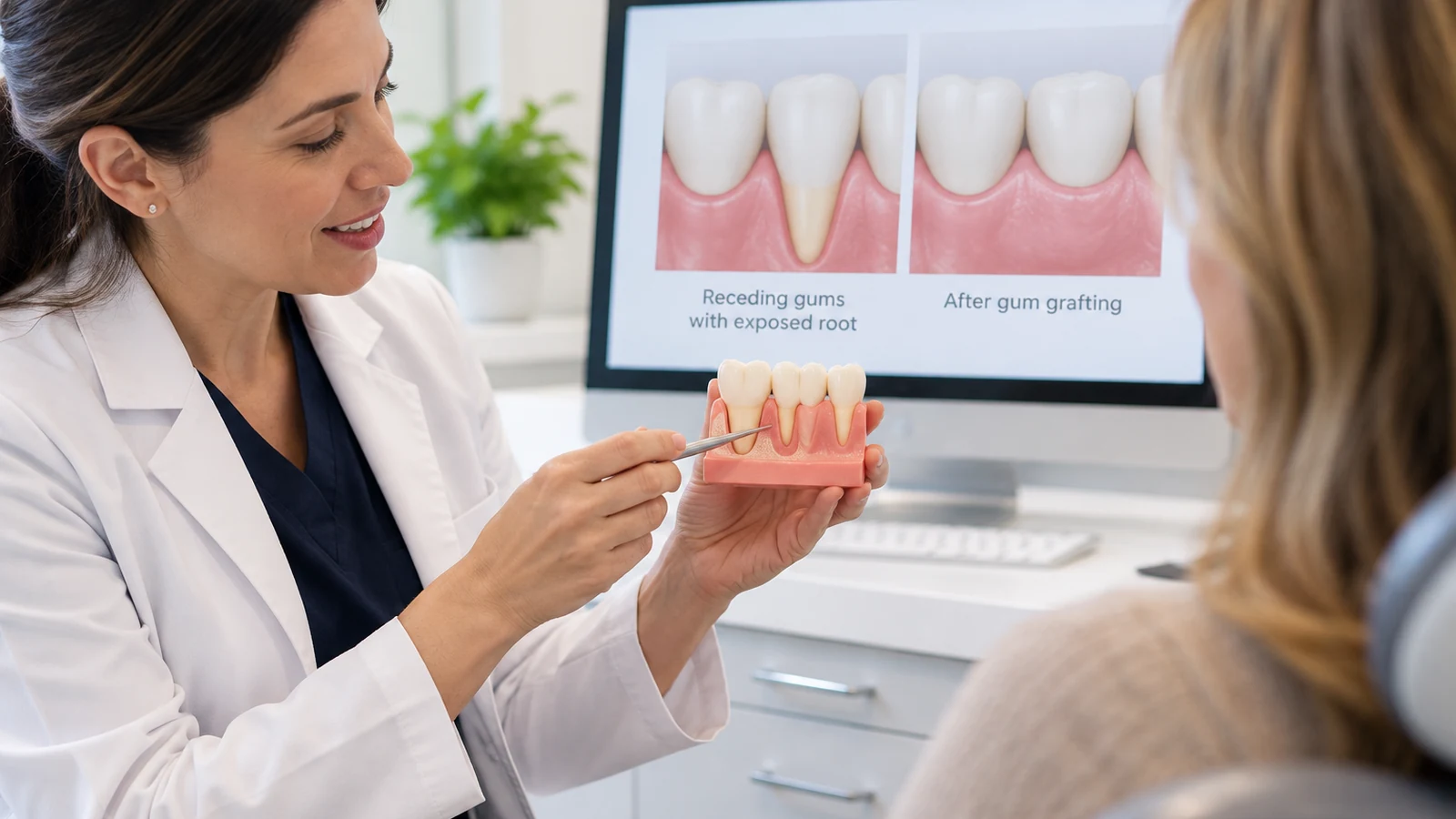
Not everyone with gum recession needs a gum graft. Some minor or stable areas may be monitored, while gum grafting may be discussed when recession is more significant, roots are exposed, sensitivity is present or there is limited protective gum tissue around a tooth.
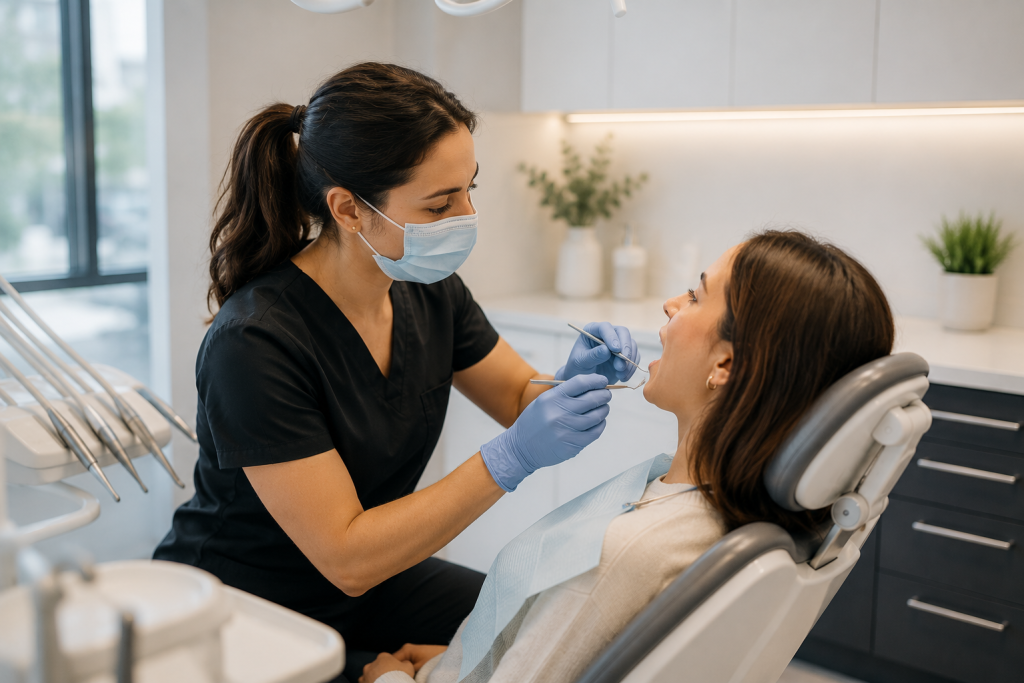
The appropriate next step depends on an individual periodontal assessment. A periodontist can evaluate the location and extent of the recession, the surrounding tissues and other clinical factors before determining whether monitoring or gum grafting in Vancouver may be appropriate.
Does Gum Recession Always Mean You Need a Gum Graft?
No. Gum recession does not automatically mean that gum grafting is required. Some areas of minor or stable recession may be monitored, while other situations may benefit from periodontal treatment.
Gum recession occurs when the gumline moves away from its usual position around a tooth, which can leave more of the tooth or its root surface exposed. The appearance of the recession alone does not determine whether a graft is needed.
A periodontist will consider the condition of the gums around the tooth, whether the area appears stable or changing and whether there is enough healthy protective gum tissue. Symptoms and the patient’s individual goals can also influence the recommendation.
If you are trying to understand why recession may have developed in the first place, Downtown Perio Group also provides information about the causes of gum recession.
When Might a Periodontist Discuss Gum Grafting?
Gum grafting may be discussed when recession exposes a root, causes sensitivity, leaves limited protective gum tissue or raises concerns about the health or protection of the affected area. No single sign automatically means that a graft is necessary.
Factors a periodontist may consider include:
- Exposed tooth roots
- Root sensitivity or discomfort
- Significant recession
- Recession that appears to be changing
- Limited protective gum tissue around the affected tooth
- Concerns about protecting an exposed root surface
- Esthetic concerns that are important to the patient
These factors need to be considered together rather than used as a checklist for deciding whether treatment is required.
For example, two people may both notice recession around a tooth but have different tissue conditions, symptoms and treatment goals. One area may be appropriate for monitoring, while another may lead to a discussion about periodontal treatment.
When Might Gum Recession Be Monitored Instead?
Some minor or stable gum recession may be monitored rather than treated surgically. A periodontist can determine whether the area appears stable, whether there is enough healthy gum tissue around the tooth and whether changes to home care may be appropriate.
Monitoring does not mean ignoring the recession. It may involve watching the area over time and addressing contributing factors that could place unnecessary stress on the gums.
The appearance of a small area of recession at home does not confirm that it is harmless or stable. A periodontal assessment is the appropriate way to determine whether monitoring makes sense for that specific area.
If the recession begins to change, sensitivity develops or the exposed area becomes more noticeable, another assessment may be appropriate.
What Does a Periodontist Evaluate Before Recommending a Gum Graft?
A periodontist evaluates more than the visible amount of gum recession before recommending a graft. The decision may depend on the gum tissue, exposed root surface, periodontal health, supporting structures and the patient’s individual concerns.
An assessment may include consideration of:
- The amount and location of the recession
- The quality and thickness of the gum tissue
- How much root surface is exposed
- Whether the tooth is sensitive
- The health of the surrounding gums
- The supporting bone around the tooth
- The position of the tooth
- Bite-related factors
- Relevant dental and medical history
- The patient’s treatment goals
There is no single amount of visible recession that automatically determines whether a gum graft is needed. The recommendation depends on the full clinical picture.
This is also why an in-person periodontal assessment is more useful than trying to judge the need for treatment from a photo or symptoms alone.
What Is a Gum Graft and What Is It Intended to Address?
A gum graft is a periodontal procedure that adds or repositions soft tissue around a tooth. Depending on the clinical situation, it may be used to increase protective gum tissue and may provide coverage over some or all of an exposed root surface.
Grafting may be considered for different reasons. In some cases, the goal is to strengthen or increase the band of gum tissue surrounding a tooth. In others, treatment may be intended to address an exposed root surface or an appearance-related concern.
The expected result depends on the anatomy of the area, the type and extent of the recession and the grafting approach selected after assessment. Complete root coverage should not be assumed in every case.
What Is the Difference Between a Connective Tissue Graft and a Free Gingival Graft?
Connective tissue grafts and free gingival grafts are different periodontal grafting approaches used for different clinical goals. The appropriate technique depends on the tissue around the tooth and what the procedure is intended to accomplish.
A connective tissue graft may be positioned to help cover an exposed root surface while adding stable gum tissue around the area.
A free gingival graft is generally used to create or increase a stable band of attached gum tissue around a tooth.
Neither approach is automatically the right choice for every person with gum recession. A periodontist needs to evaluate the affected area before determining whether grafting is appropriate and which technique may be considered.
Can Gum Grafting Help With Tooth Sensitivity?
Gum grafting may help with sensitivity in some cases when the discomfort is related to an exposed root surface. However, improvement cannot be guaranteed, and sensitivity can have causes other than gum recession.
An exposed root may respond differently to hot, cold or other stimulation than the normally covered portion of a tooth. If recession and sensitivity occur together, a periodontist can evaluate whether the exposed root is likely contributing to the symptoms.
Treatment recommendations should be based on that assessment rather than assuming that grafting will eliminate sensitivity.
How Do You Know When to See a Periodontist About Gum Recession?
Consider a periodontal assessment if you notice recession that is changing, exposing a root, causing sensitivity or making you concerned about the health of your gums. A periodontist can determine whether the area should be monitored or whether treatment may be worth discussing.
You do not need to determine for yourself whether the recession is “severe enough” for treatment before arranging an assessment.
A periodontist can look at the affected tooth in the context of your overall periodontal health and explain the available options based on the findings.
Downtown Perio Group’s website states that a dentist referral is not required. If you are unsure whether your recession warrants an assessment, you can review guidance on when to see a periodontist.
Frequently Asked Questions About Gum Grafts
Quick answers to common questions can help clarify what gum grafting may involve, but the appropriate treatment still depends on an individual periodontal assessment.
What type of gum graft might I need?
The appropriate gum graft technique depends on the treatment goal, location of the recession, available tissue and clinical findings. A periodontist needs to assess the area before recommending a connective tissue graft, free gingival graft or another appropriate approach.
Does a gum graft always cover the entire exposed root?
No. Complete root coverage is not possible or predictable in every situation. The amount of coverage that may be achievable depends on the anatomy of the area, extent of the recession and other clinical factors.
Is gum grafting only a cosmetic treatment?
No. Gum grafting may be considered for reasons beyond appearance, including increasing protective gum tissue or addressing exposed root surfaces and related sensitivity. The reason for treatment depends on the patient’s needs and periodontal findings.
Do I need a referral to see a periodontist for gum recession?
No. Downtown Perio Group’s website states that patients can contact the practice without a dentist referral. An assessment can help determine whether monitoring or periodontal treatment may be appropriate.
Talk to Downtown Perio Group About Gum Grafts in Vancouver
If you have noticed gum recession and are wondering whether you need a gum graft, an individualized periodontal assessment can help clarify your options.
Downtown Perio Group provides gum grafting in Vancouver and is located at 901 – 1200 Burrard Street in Vancouver, British Columbia. You can contact Downtown Perio Group to discuss your concerns and arrange an assessment.
The appropriate recommendation depends on the condition of your gums, the affected tooth and your individual treatment needs.
Do You Need a Periodontist for Dental Implants? Why Gum and Bone Health Matter

If you’re considering dental implants, you may be wondering whether you need to see a periodontist before treatment begins. The answer depends on your oral health. While not every patient requires periodontal care before implant treatment, healthy gums and adequate bone support play an important role in long-term implant planning.
A periodontal assessment allows a specialist to evaluate the health of the tissues supporting your teeth and determine whether your mouth has the foundation needed for dental implants. If concerns such as gum disease or bone loss are present, they can be identified and discussed before treatment moves forward.
For patients exploring periodontist for dental implants care in Vancouver, understanding the role of gum and bone health can help you make informed decisions about your treatment journey.
Why Gum and Bone Health Matter for Dental Implants
Dental implants rely on much more than the replacement tooth you see above the gumline. They depend on healthy surrounding tissues to provide long-term support.
Healthy Gums Help Support Implant Success
Gums create a protective seal around a dental implant. Healthy gum tissue helps support the structures surrounding the implant and contributes to maintaining good oral health over time.
If inflammation or periodontal disease is present, your periodontist may recommend addressing those concerns before implant treatment is considered.
Bone Provides the Implant’s Foundation
An implant is placed within the jawbone, making adequate bone volume and density essential for proper support.
Bone loss can occur for several reasons, including:
- Previous tooth loss
- Advanced gum disease
- Dental infections
- Trauma
- Natural changes over time
A periodontal assessment helps determine whether enough healthy bone is present or whether additional procedures may need to be discussed.
Every Patient Has Different Needs
Some patients have healthy gums and sufficient bone support from the start. Others may require additional evaluation before moving ahead with treatment.
Rather than assuming all implant cases follow the same path, your dental team develops recommendations based on your individual oral health.
When a Periodontal Assessment May Be Recommended
Many people are referred to a periodontist before implant treatment because their general dentist wants to ensure the surrounding tissues are healthy enough to support long-term success.
A periodontal evaluation may be recommended in several situations.
You Have a History of Gum Disease
Previous or active periodontal disease can affect the tissues that support both natural teeth and dental implants.
Even if your gum disease was treated years ago, your periodontist may recommend evaluating the current health of your gums before implant planning.
You’ve Been Missing a Tooth for Some Time
After a tooth is lost, the jawbone naturally changes over time. The longer a tooth has been missing, the more likely it is that bone volume has changed.
A periodontal assessment helps determine whether the remaining bone is suitable for implant treatment.
Your Dentist Has Identified Bone Loss
Bone loss isn’t always visible during a routine examination. Diagnostic imaging may reveal changes that require further evaluation before treatment planning continues.
You’re Looking for a Comprehensive Implant Evaluation
Some patients simply want a specialist to assess their gum and bone health before making decisions about dental implants.
For many people in Vancouver, a periodontal consultation provides greater clarity and confidence before treatment begins.
How Gum Disease Can Affect Implant Planning
Healthy gums are one of the most important factors in implant treatment planning.
Active Inflammation May Need to Be Addressed First
If gum disease is currently affecting your oral health, your periodontist may recommend managing the condition before implant treatment is considered.
Reducing inflammation helps create a healthier environment for future treatment planning.
Bone Loss Can Influence Treatment Options
Periodontal disease doesn’t only affect the gums. It can also lead to the gradual loss of supporting bone around the teeth.
Depending on the extent of the bone loss, your periodontist may discuss whether bone grafting for implants should be evaluated as part of the overall treatment plan.
Not every patient with bone loss requires grafting, and not every patient is affected in the same way. The recommendation depends entirely on the findings of the clinical assessment.
Long-Term Oral Health Matters
Dental implants are designed to replace missing teeth, but they also rely on ongoing healthy gum care after treatment.
A healthy periodontal foundation supports both natural teeth and implants alike.
What a Periodontist May Evaluate Before Implant Treatment
Before any treatment recommendations are made, your periodontist gathers detailed information about your oral health.
Gum Health
The assessment includes evaluating:
- Signs of inflammation
- Gum recession
- Previous periodontal disease
- Overall tissue health
Healthy gums are an important part of comprehensive implant planning.
Bone Support
Diagnostic imaging and clinical examination help determine:
- Bone volume
- Bone density
- Areas of previous bone loss
- Overall support for future implant placement
Bite and Oral Function
Your periodontist also considers how your teeth function together and whether additional factors could influence implant planning.
Medical and Dental History
Your health history, previous dental treatment, and current oral health all contribute to developing an individualized treatment plan.
If implant treatment is appropriate, your periodontist can explain the next steps and discuss how implant placement fits within your overall care.
How Periodontists and Restorative Dentists May Work Together
Dental implant treatment often involves collaboration between multiple dental professionals.
Shared Treatment Planning
Your restorative dentist and periodontist may work together to evaluate:
- Implant positioning
- Gum health
- Bone support
- Overall restorative goals
Each provider contributes expertise within their area of care.
Coordinated Care
For patients who require periodontal treatment before implant therapy, communication between providers helps ensure treatment is planned in the appropriate sequence.
This collaborative approach focuses on establishing healthy tissues before restoring the missing tooth.
If you’re unsure whether your situation would benefit from specialist care, learning more about when to see a periodontist can help you understand when a referral may be appropriate.
Frequently Asked Questions About Periodontists and Dental Implants
Do I need a periodontist before getting dental implants?
Not always. Some patients proceed with implant treatment without seeing a periodontist, while others benefit from a periodontal assessment because of gum disease, bone loss, or other factors affecting oral health. Your dentist can recommend whether a specialist evaluation is appropriate.
Can gum disease affect dental implants?
Yes. Active gum disease can affect the health of the tissues supporting a dental implant. For this reason, your periodontist may recommend treating periodontal disease before implant planning continues.
What if I have bone loss?
Bone loss doesn’t automatically rule out dental implants. During your assessment, your periodontist will evaluate the amount of available bone and discuss whether additional procedures, such as bone grafting, may be considered depending on your individual situation.
Talk to Downtown Periodontal Group About Dental Implant Assessment
If you’re considering dental implants and have questions about your gum or bone health, a periodontal assessment can provide valuable information before treatment planning begins.
Downtown Periodontal Group works with patients throughout Vancouver who have been referred for implant evaluation or want to better understand whether periodontal care should be part of their treatment plan. If you’ve been told you may have gum disease, bone loss, or simply want a specialist’s assessment before moving forward with dental implants, contact Downtown Periodontal Group to schedule a consultation. Our team can evaluate your oral health, answer your questions, and discuss the next steps based on your individual needs.
What Causes Gum Recession? When to Book a Periodontal Assessment

Gum recession can happen for several different reasons, and it is not always caused by the same underlying issue. In some people, it develops gradually over many years, while others may notice changes more quickly. Because the causes can vary, a periodontal assessment can help determine why your gums are receding and whether any treatment or ongoing monitoring may be appropriate.
If you’ve noticed that your teeth appear longer than they used to, increased sensitivity near the gumline, or changes in the appearance of your smile, understanding what may contribute to gum recession can help you decide when it’s time to seek professional advice.
What Is Happening When Gums Recede?
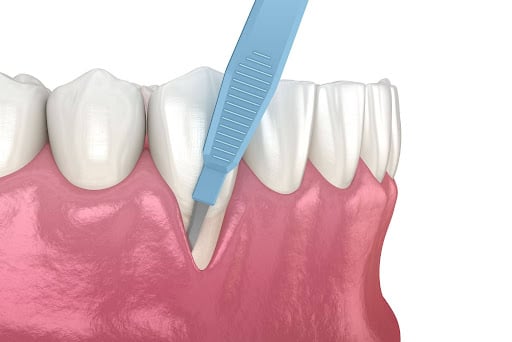
Healthy gums fit closely around the teeth, helping protect the roots and supporting structures underneath. Gum recession occurs when the gum tissue gradually moves away from the tooth, exposing more of the root surface than before.
This process usually develops slowly rather than all at once. Because the changes can be subtle, many people don’t notice recession until they experience tooth sensitivity, see longer-looking teeth in the mirror, or hear about it during a dental examination.
Receding gums are not a condition by themselves but rather a sign that something may be affecting the tissues supporting your teeth. The underlying cause is not always obvious without an examination, which is why it is important to avoid self-diagnosing based on appearance alone.
The amount of recession also varies considerably. Some people have only a small area affecting one tooth, while others experience recession in several areas throughout the mouth. The location, severity, and possible cause all influence what recommendations may be made.
Common Causes of Gum Recession
There isn’t one single explanation for why gums begin to recede. In many cases, several factors may contribute at the same time, making a professional assessment valuable.
One possible cause is periodontal disease. As inflammation affects the supporting tissues around the teeth, changes to the gums can occur over time. This does not mean everyone with gum recession has periodontal disease, but it is one possibility your periodontist may evaluate.
Brushing habits can also play a role. Using excessive pressure or a hard-bristled toothbrush over many years may contribute to wear along the gumline for some individuals. Gentle brushing with proper technique is generally recommended to help protect both teeth and gums.
Other contributing factors may include:
- Genetics and naturally thinner gum tissue.
- Teeth that are crowded or positioned differently within the jaw.
- Clenching or grinding that places additional forces on the teeth.
- Tobacco use.
- Previous orthodontic treatment in certain situations.
- Changes in the way the teeth come together when biting.
Sometimes no single factor explains the recession entirely. Instead, your dentist or periodontist may identify several contributing influences that together have affected the gum tissue over time.
It’s also important to remember that gum recession does not always progress at the same rate. Some areas may remain stable for years, while others require closer monitoring. That is one reason regular examinations remain valuable even when symptoms appear mild.
Although many people immediately worry about treatment, the first step is understanding why the recession has developed. Only after identifying the likely cause can your periodontist discuss whether monitoring, changes to home care, or procedures such as gum grafting may be considered. That conversation depends entirely on your examination findings, and not every case of gum recession requires surgical treatment.
Signs It May Be Time to Book an Assessment
Some people notice gum recession by chance, while others first become aware of it because of new symptoms. Regardless of how it is discovered, certain changes deserve professional attention rather than continued observation at home.
You may benefit from arranging an assessment if you notice:
- Teeth appearing longer than before.
- Increased sensitivity to cold, heat, or sweet foods near the gumline.
- Visible roots becoming exposed.
- A notch or groove close to the gumline.
- Gums that appear uneven around certain teeth.
- Ongoing bleeding or swelling alongside recession.
- Changes that continue to become more noticeable over time.
These signs do not automatically indicate advanced periodontal disease or that extensive treatment will be required. They simply suggest that your gums should be evaluated to better understand what is causing the changes.
If gum recession is accompanied by bleeding, loose teeth, persistent bad breath, or other ongoing concerns, it may also be helpful to learn more about when to see a periodontist. An assessment can help determine whether these symptoms are related and whether additional evaluation is appropriate.
Many people delay seeking care because the recession itself is not painful. However, the absence of pain does not necessarily mean the underlying cause has resolved. Having the area assessed early often provides reassurance and allows any concerns to be identified before they become more advanced.
For patients in Vancouver, arranging a periodontal assessment when you first notice changes in your gums can provide clearer answers than trying to determine the cause on your own.
How a Periodontist Evaluates Receding Gums
If you notice your gums receding, it can be difficult to tell what is causing the change by looking in the mirror. A periodontist evaluates much more than the visible gumline. The goal is to identify why the recession has occurred and determine whether it appears stable or whether additional care may be appropriate.
During an assessment, your periodontist may examine the amount of gum recession around each tooth, evaluate the health of the surrounding tissues, measure periodontal pockets, and assess how much supporting bone and gum tissue remain. They may also review your brushing habits, bite, medical history, and any symptoms such as sensitivity or bleeding.
Every person’s situation is different. Two people with similar-looking recession may receive different recommendations because the underlying causes are not the same. Rather than focusing only on replacing lost gum tissue, the assessment helps determine whether the recession is stable, whether it may continue progressing, and what steps could help protect your long-term oral health.
When Gum Grafting May Be Discussed
Not every case of gum recession requires treatment beyond monitoring and good oral hygiene. In some situations, however, your periodontist may discuss treatment options after completing a thorough examination.
The decision depends on several factors, including:
- How much gum tissue has receded.
- Whether exposed roots are causing sensitivity.
- The overall health of the surrounding gums.
- Whether the recession appears stable or continues to change.
- The location of the affected tooth.
- Your individual oral health goals.
Discussing gum grafting does not mean it will automatically be recommended. For many people, monitoring the area and addressing contributing factors may be appropriate. Others may benefit from learning about available treatment options if recession is affecting comfort, function, or the long-term support of the teeth.
The purpose of the assessment is to understand your individual situation before any recommendations are made. Treatment decisions are based on clinical findings rather than appearance alone.
Frequently Asked Questions About Gum Recession
Can brushing too hard cause gum recession?
It may contribute in some people. Applying excessive pressure while brushing or consistently using a hard-bristled toothbrush can place additional stress on the gumline. However, brushing habits are only one possible cause, and gum recession may also be linked to periodontal disease, genetics, bite forces, or other factors.
Can gum recession grow back on its own?
In general, gum tissue that has receded does not typically grow back on its own. That said, not every case requires surgical treatment. A periodontal assessment helps determine whether the recession is stable, whether contributing factors can be addressed, and whether any treatment may be appropriate.
Does gum recession always mean I need a gum graft?
No. Gum grafting is not necessary for everyone with receding gums. Some people simply require monitoring, improved home-care techniques, or management of underlying periodontal concerns. Whether a graft is discussed depends entirely on the findings of your examination and your individual oral health.
Talk to Downtown Periodontal Group About Gum Recession
If you’ve noticed that your gums appear to be receding, your teeth seem longer, or you’re experiencing increased sensitivity near the gumline, it’s worth having the area professionally evaluated. Understanding the cause is the first step toward deciding whether monitoring or treatment may be appropriate.
If you’re looking for answers about gum recession in Vancouver, you can contact Downtown Periodontal Group to arrange a periodontal assessment. After evaluating your gums and discussing your concerns, your periodontist can explain the findings and review the options that may be appropriate for your individual situation.