What Causes Gum Recession? When to Book a Periodontal Assessment

Gum recession can happen for several different reasons, and it is not always caused by the same underlying issue. In some people, it develops gradually over many years, while others may notice changes more quickly. Because the causes can vary, a periodontal assessment can help determine why your gums are receding and whether any treatment or ongoing monitoring may be appropriate.
If you’ve noticed that your teeth appear longer than they used to, increased sensitivity near the gumline, or changes in the appearance of your smile, understanding what may contribute to gum recession can help you decide when it’s time to seek professional advice.
What Is Happening When Gums Recede?
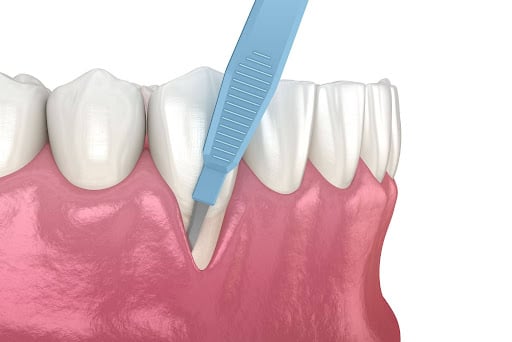
Healthy gums fit closely around the teeth, helping protect the roots and supporting structures underneath. Gum recession occurs when the gum tissue gradually moves away from the tooth, exposing more of the root surface than before.
This process usually develops slowly rather than all at once. Because the changes can be subtle, many people don’t notice recession until they experience tooth sensitivity, see longer-looking teeth in the mirror, or hear about it during a dental examination.
Receding gums are not a condition by themselves but rather a sign that something may be affecting the tissues supporting your teeth. The underlying cause is not always obvious without an examination, which is why it is important to avoid self-diagnosing based on appearance alone.
The amount of recession also varies considerably. Some people have only a small area affecting one tooth, while others experience recession in several areas throughout the mouth. The location, severity, and possible cause all influence what recommendations may be made.
Common Causes of Gum Recession
There isn’t one single explanation for why gums begin to recede. In many cases, several factors may contribute at the same time, making a professional assessment valuable.
One possible cause is periodontal disease. As inflammation affects the supporting tissues around the teeth, changes to the gums can occur over time. This does not mean everyone with gum recession has periodontal disease, but it is one possibility your periodontist may evaluate.
Brushing habits can also play a role. Using excessive pressure or a hard-bristled toothbrush over many years may contribute to wear along the gumline for some individuals. Gentle brushing with proper technique is generally recommended to help protect both teeth and gums.
Other contributing factors may include:
- Genetics and naturally thinner gum tissue.
- Teeth that are crowded or positioned differently within the jaw.
- Clenching or grinding that places additional forces on the teeth.
- Tobacco use.
- Previous orthodontic treatment in certain situations.
- Changes in the way the teeth come together when biting.
Sometimes no single factor explains the recession entirely. Instead, your dentist or periodontist may identify several contributing influences that together have affected the gum tissue over time.
It’s also important to remember that gum recession does not always progress at the same rate. Some areas may remain stable for years, while others require closer monitoring. That is one reason regular examinations remain valuable even when symptoms appear mild.
Although many people immediately worry about treatment, the first step is understanding why the recession has developed. Only after identifying the likely cause can your periodontist discuss whether monitoring, changes to home care, or procedures such as gum grafting may be considered. That conversation depends entirely on your examination findings, and not every case of gum recession requires surgical treatment.
Signs It May Be Time to Book an Assessment
Some people notice gum recession by chance, while others first become aware of it because of new symptoms. Regardless of how it is discovered, certain changes deserve professional attention rather than continued observation at home.
You may benefit from arranging an assessment if you notice:
- Teeth appearing longer than before.
- Increased sensitivity to cold, heat, or sweet foods near the gumline.
- Visible roots becoming exposed.
- A notch or groove close to the gumline.
- Gums that appear uneven around certain teeth.
- Ongoing bleeding or swelling alongside recession.
- Changes that continue to become more noticeable over time.
These signs do not automatically indicate advanced periodontal disease or that extensive treatment will be required. They simply suggest that your gums should be evaluated to better understand what is causing the changes.
If gum recession is accompanied by bleeding, loose teeth, persistent bad breath, or other ongoing concerns, it may also be helpful to learn more about when to see a periodontist. An assessment can help determine whether these symptoms are related and whether additional evaluation is appropriate.
Many people delay seeking care because the recession itself is not painful. However, the absence of pain does not necessarily mean the underlying cause has resolved. Having the area assessed early often provides reassurance and allows any concerns to be identified before they become more advanced.
For patients in Vancouver, arranging a periodontal assessment when you first notice changes in your gums can provide clearer answers than trying to determine the cause on your own.
How a Periodontist Evaluates Receding Gums
If you notice your gums receding, it can be difficult to tell what is causing the change by looking in the mirror. A periodontist evaluates much more than the visible gumline. The goal is to identify why the recession has occurred and determine whether it appears stable or whether additional care may be appropriate.
During an assessment, your periodontist may examine the amount of gum recession around each tooth, evaluate the health of the surrounding tissues, measure periodontal pockets, and assess how much supporting bone and gum tissue remain. They may also review your brushing habits, bite, medical history, and any symptoms such as sensitivity or bleeding.
Every person’s situation is different. Two people with similar-looking recession may receive different recommendations because the underlying causes are not the same. Rather than focusing only on replacing lost gum tissue, the assessment helps determine whether the recession is stable, whether it may continue progressing, and what steps could help protect your long-term oral health.
When Gum Grafting May Be Discussed
Not every case of gum recession requires treatment beyond monitoring and good oral hygiene. In some situations, however, your periodontist may discuss treatment options after completing a thorough examination.
The decision depends on several factors, including:
- How much gum tissue has receded.
- Whether exposed roots are causing sensitivity.
- The overall health of the surrounding gums.
- Whether the recession appears stable or continues to change.
- The location of the affected tooth.
- Your individual oral health goals.
Discussing gum grafting does not mean it will automatically be recommended. For many people, monitoring the area and addressing contributing factors may be appropriate. Others may benefit from learning about available treatment options if recession is affecting comfort, function, or the long-term support of the teeth.
The purpose of the assessment is to understand your individual situation before any recommendations are made. Treatment decisions are based on clinical findings rather than appearance alone.
Frequently Asked Questions About Gum Recession
Can brushing too hard cause gum recession?
It may contribute in some people. Applying excessive pressure while brushing or consistently using a hard-bristled toothbrush can place additional stress on the gumline. However, brushing habits are only one possible cause, and gum recession may also be linked to periodontal disease, genetics, bite forces, or other factors.
Can gum recession grow back on its own?
In general, gum tissue that has receded does not typically grow back on its own. That said, not every case requires surgical treatment. A periodontal assessment helps determine whether the recession is stable, whether contributing factors can be addressed, and whether any treatment may be appropriate.
Does gum recession always mean I need a gum graft?
No. Gum grafting is not necessary for everyone with receding gums. Some people simply require monitoring, improved home-care techniques, or management of underlying periodontal concerns. Whether a graft is discussed depends entirely on the findings of your examination and your individual oral health.
Talk to Downtown Periodontal Group About Gum Recession
If you’ve noticed that your gums appear to be receding, your teeth seem longer, or you’re experiencing increased sensitivity near the gumline, it’s worth having the area professionally evaluated. Understanding the cause is the first step toward deciding whether monitoring or treatment may be appropriate.
If you’re looking for answers about gum recession in Vancouver, you can contact Downtown Periodontal Group to arrange a periodontal assessment. After evaluating your gums and discussing your concerns, your periodontist can explain the findings and review the options that may be appropriate for your individual situation.